

Huseby Bruk
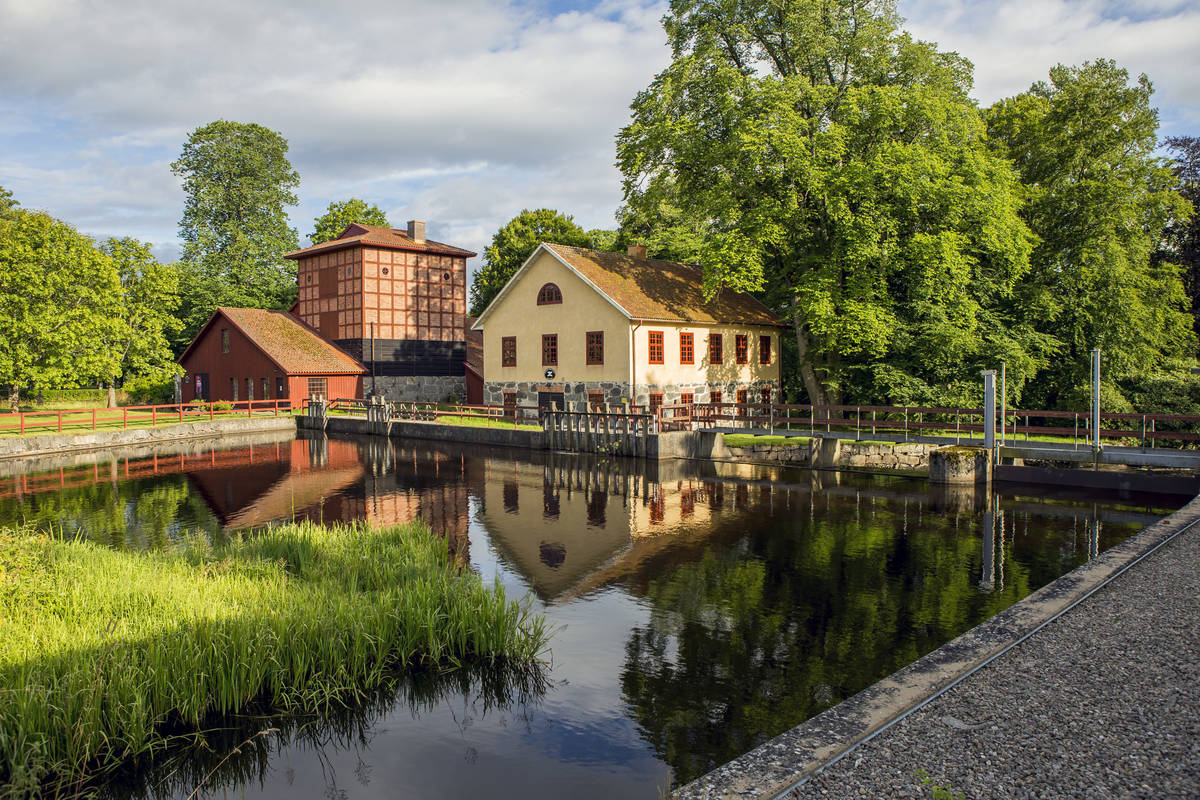
Coming to Huseby is like stepping back in time and entering another world. Here the waterwheels of the mill turn, the old-fashioned shop sells traditional candy cones, the peacocks parade in the garden, and the maid is busy cleaning in the manor.
The Works That Was Called “The Castle”
Huseby Bruk is a well-preserved industrial estate from the late 19th century. Originally, it was an ironworks combined with extensive agricultural and forestry operations. The raw material came from ore dredged from the bottoms of the lakes, and water power drove both the mill and the tilt hammer. Around the works a small village grew up where laborers and other workers lived. The main road passed through Huseby, and there were once a country store, dairy, sawmill, mill, planing mill and more. The owners of the works lived in the Manor House, popularly called “the Castle,” surrounded by a beautiful park and kitchen gardens.
Many of the buildings, as well as the park and gardens, are preserved today. The estate is now a visitor destination with many activities; buildings and gardens are open for tours in summer and on spring and autumn weekends.
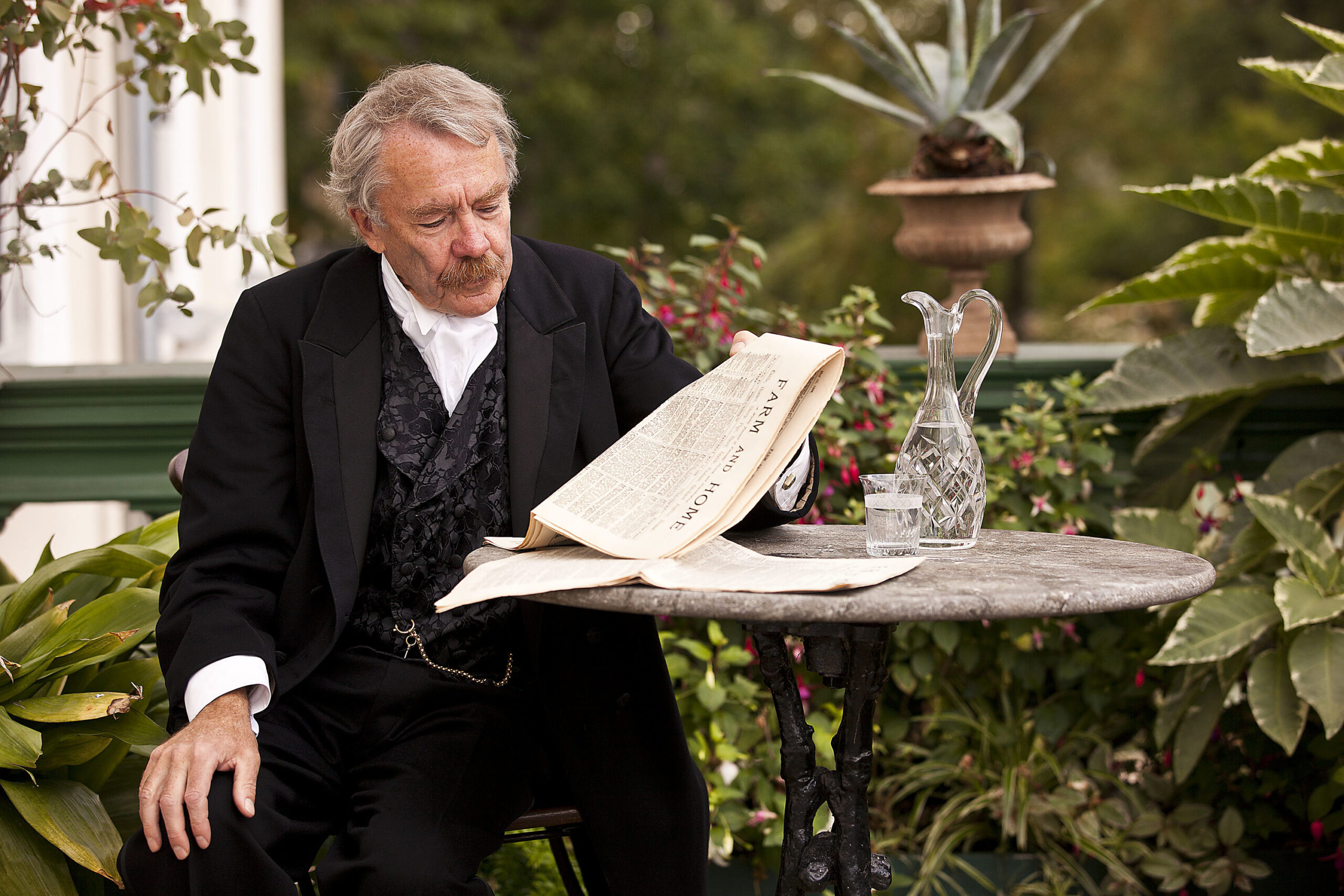
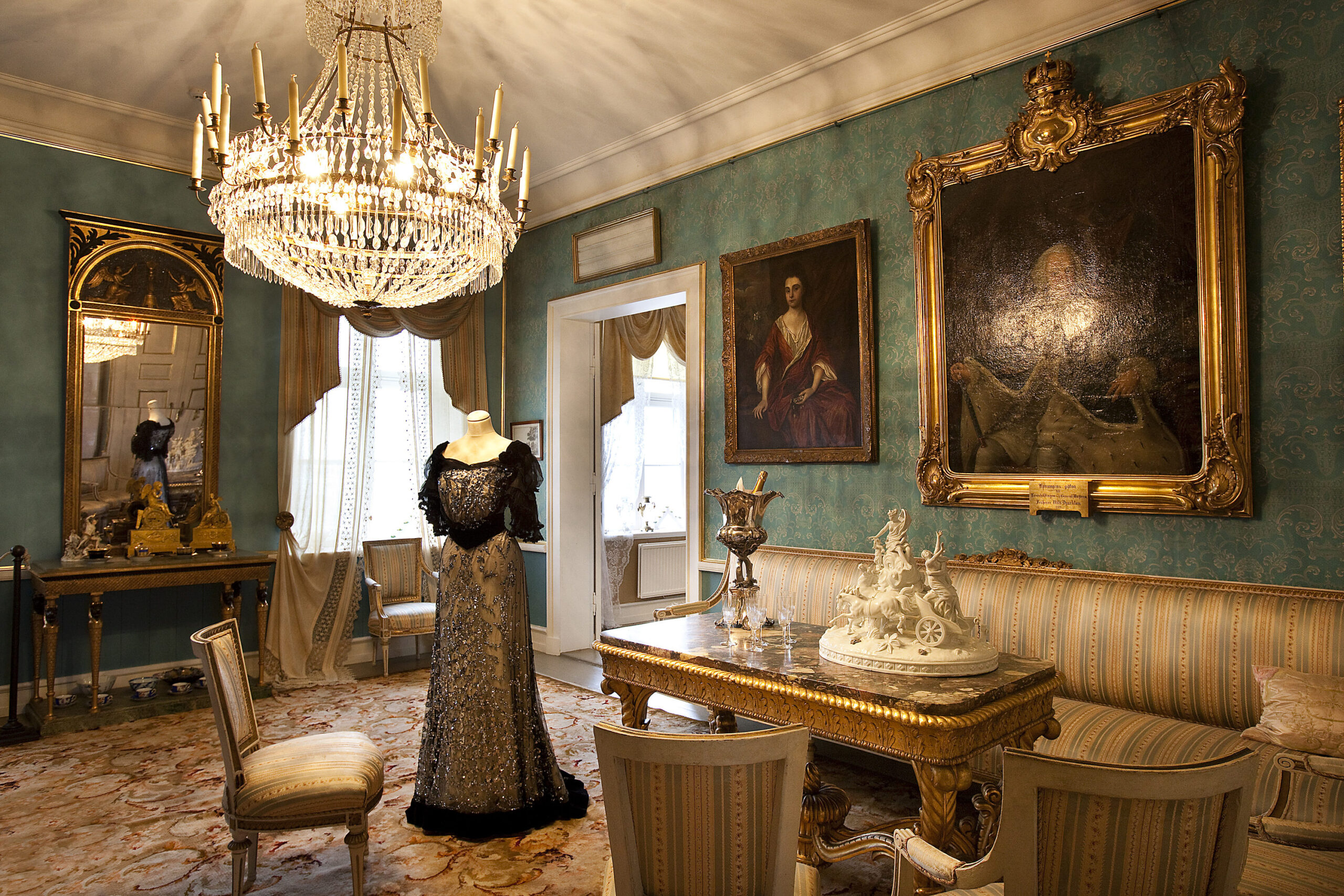
The main building is still respectfully known as “the Castle,” and many people remember Miss Florence Stephens, the last private owner of Huseby. She eventually bequeathed the entire estate to the state, on the condition that everything be preserved for future generations. The interior remains intact – mostly from the time of her parents and even from the mid-19th century, when the Hamilton family were owners. The Stephens family had close connections to the royal family, and royal visits to Huseby with lavish dinners sometimes took place. The fact that every object – large and small – remains in place makes the house feel more like a home than a museum and gives the guided tours a truly special character. You can join a guided or dramatized tour, or simply wander on your own. Imagine walking up the avenue towards the Castle and seeing the master of the works, Joseph Stephens, reading his newspaper on the terrace. On certain occasions, you can even book an exclusive tea service just as it was in Miss Stephens’ time.
Well-preserved surroundings
Both the park and gardens have been restored to their 19th-century design. Much has been documented – even seed-purchase lists. The park is characterized by “carpet beds and embroidery flowerbeds,” designed by Miss Stephens’ mother Elisabeth Stephens, but perhaps the garden is the most delightful spot of all. It is a true kitchen garden that supplied the estate with vegetables, fruit, and berries. It is laid out in nine sections and follows older models. Miss Stephens loved chickens of various breeds. They are here again today – together with beautiful peacocks.
There were many scandals surrounding Huseby, and the trusting, old-fashionedly raised Miss Florence fell victim to swindlers and held a special admiration for the royal family, which sometimes harmed her. Per Samuelsson and Lena Ebervall have now described her life. In 2016, the book Florence Stephens’ Lost World – A True Tale of Her Remarkable Life was published, revealing everything about one of the major scandals that shook Sweden in the 1950s.


Christmas at Huseby
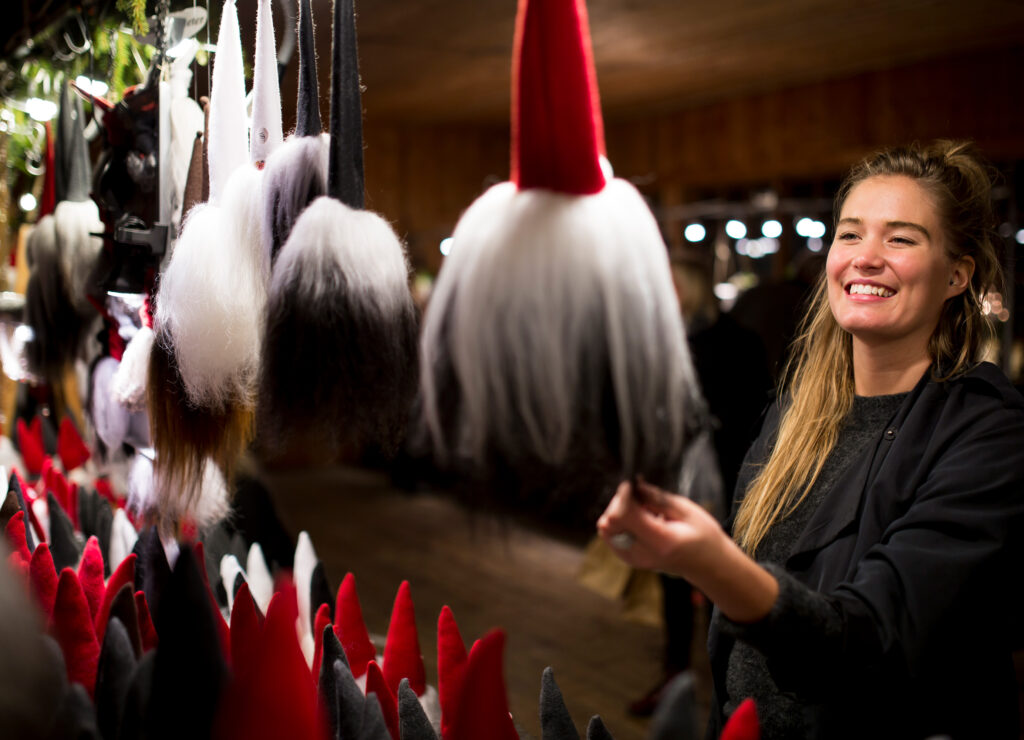
The annual Christmas fair at Huseby attracts around 35,000 visitors. Hundreds of Christmas trees decorated with thousands of lights line the old country road, creating an enchanting holiday atmosph…
The annual Christmas fair at Huseby attracts around 35,000 visitors. Hundreds of Christmas trees decorated with thousands of lights line the old country road, creating an enchanting holiday atmosphere. Everything that belongs to Christmas – food, crafts, sweets, and lights – can be purchased from the hundreds of vendors displaying their goods both indoors and outdoors.
Visit the Huseby Bruk website to learn more.

Culture and history
Once upon a time there were twelve small lands that…

Åsnen National Park
Deep in the Småland wilderness lies Åsnen – a magic…